The hour after sunset is the real test
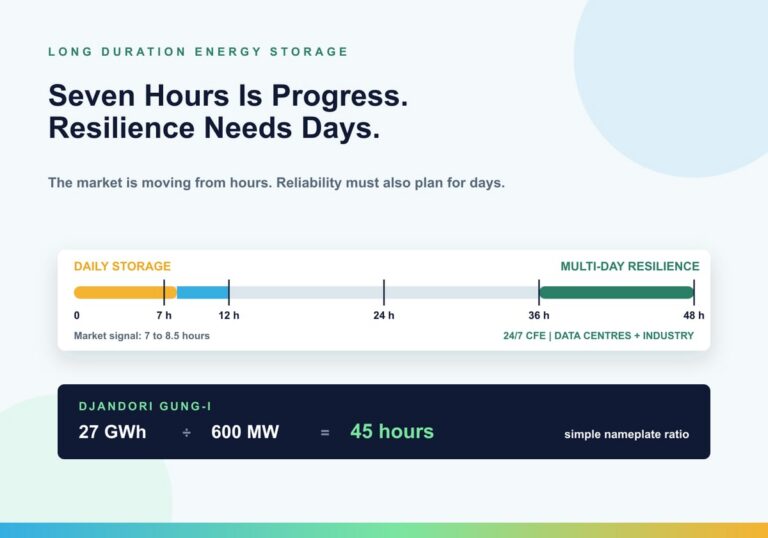
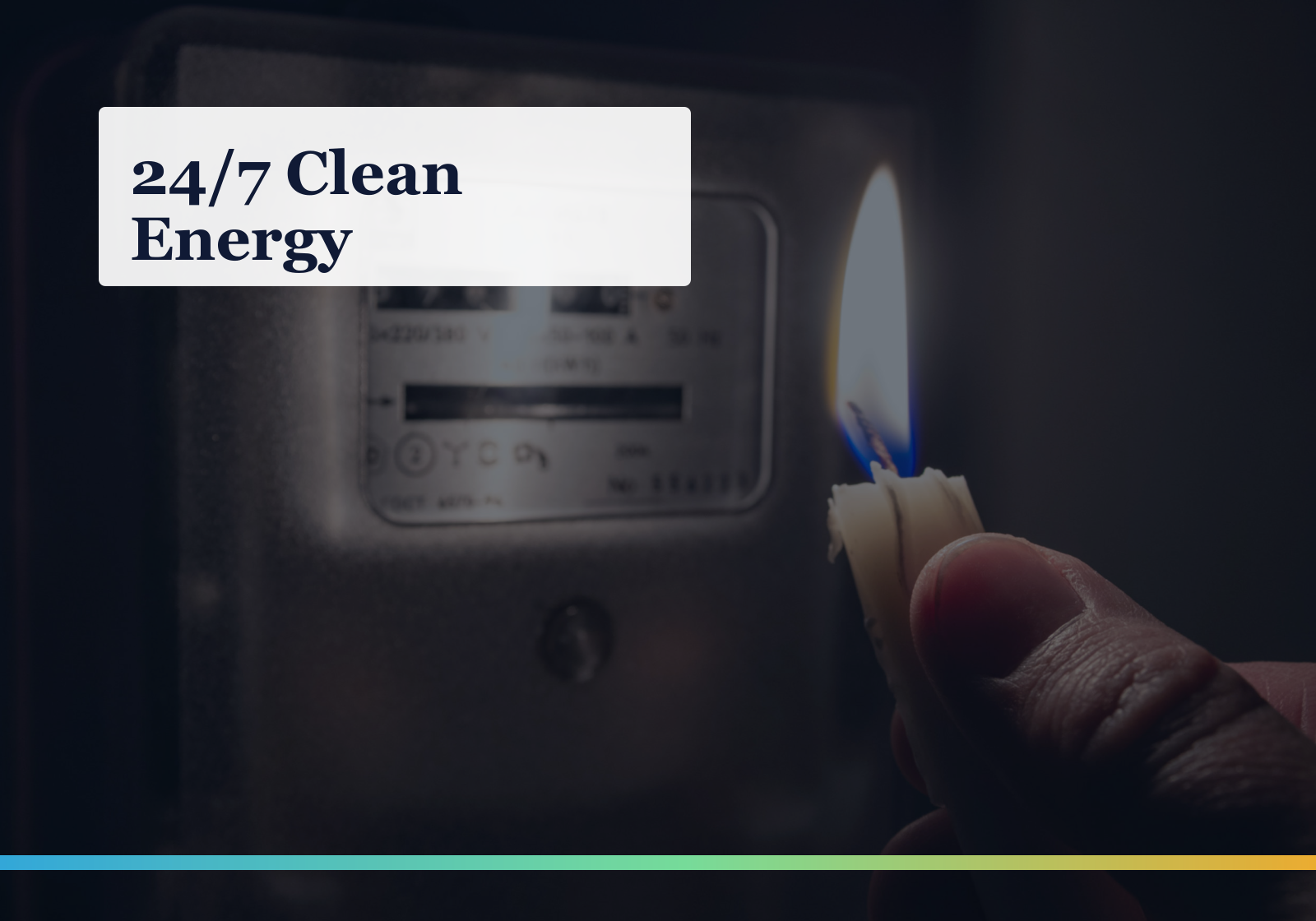
It is now common for organisations to buy renewable electricity certificates or contract enough renewable generation to match their annual electricity use. That is a useful step, but it does not necessarily mean the organisation is using clean power every hour. The harder goal is 24/7 carbon-free energy. The distinction matters. A company may buy enough renewable energy over a year to match its total consumption, while still drawing grid power during evening peaks, still relying on fossil generation during low-renewable periods, and still facing price volatility when the system is tight. Annual matching can hide the hour-by-hour reality. 24/7 carbon-free energy asks a more direct question: can clean supply match demand when the customer actually needs electricity? That question is especially important for loads that do not stop. Data centres, cold storage, hospitals, water utilities, mines, smelters, and many industrial processes cannot simply wait for better renewable conditions. They need supply that behaves like infrastructure. They need reliability, price visibility, and credible emissions performance at the same time. That is why long-duration storage becomes so important. Batteries are valuable, but many energy systems need storage that can shift larger volumes of energy over longer periods. Pumped hydro can store energy when wind and solar are abundant and release it when demand rises or renewable output falls. Flexible demand also matters. Green fuel production can use renewable electricity when it is plentiful, then reduce consumption when electricity is scarce or more valuable elsewhere. That flexibility can help balance the system while producing useful fuels. This is the logic behind Sunshine's Superhybrid approach. The system is designed around more than generation. It brings together renewable energy, long-duration storage, flexible load, green fuel production, and AESOP optimisation. The aim is to shape variable renewable supply into dependable clean output. The commercial importance is just as real as the technical one. Customers want contracts they can understand and rely on. Project developers need revenue models that can support finance. Grid operators need flexibility. Communities need energy systems that are reliable and cleaner. 24/7 carbon-free energy is therefore not a slogan. It is a higher standard. It moves the discussion from "How much renewable energy did you buy over a year?" to "How clean and reliable is your electricity when you actually need it?" After sunset, when short duration batteries have been exhausted, is where the difference shows up.